
Names
Suur-Karja (Suur-Kari)
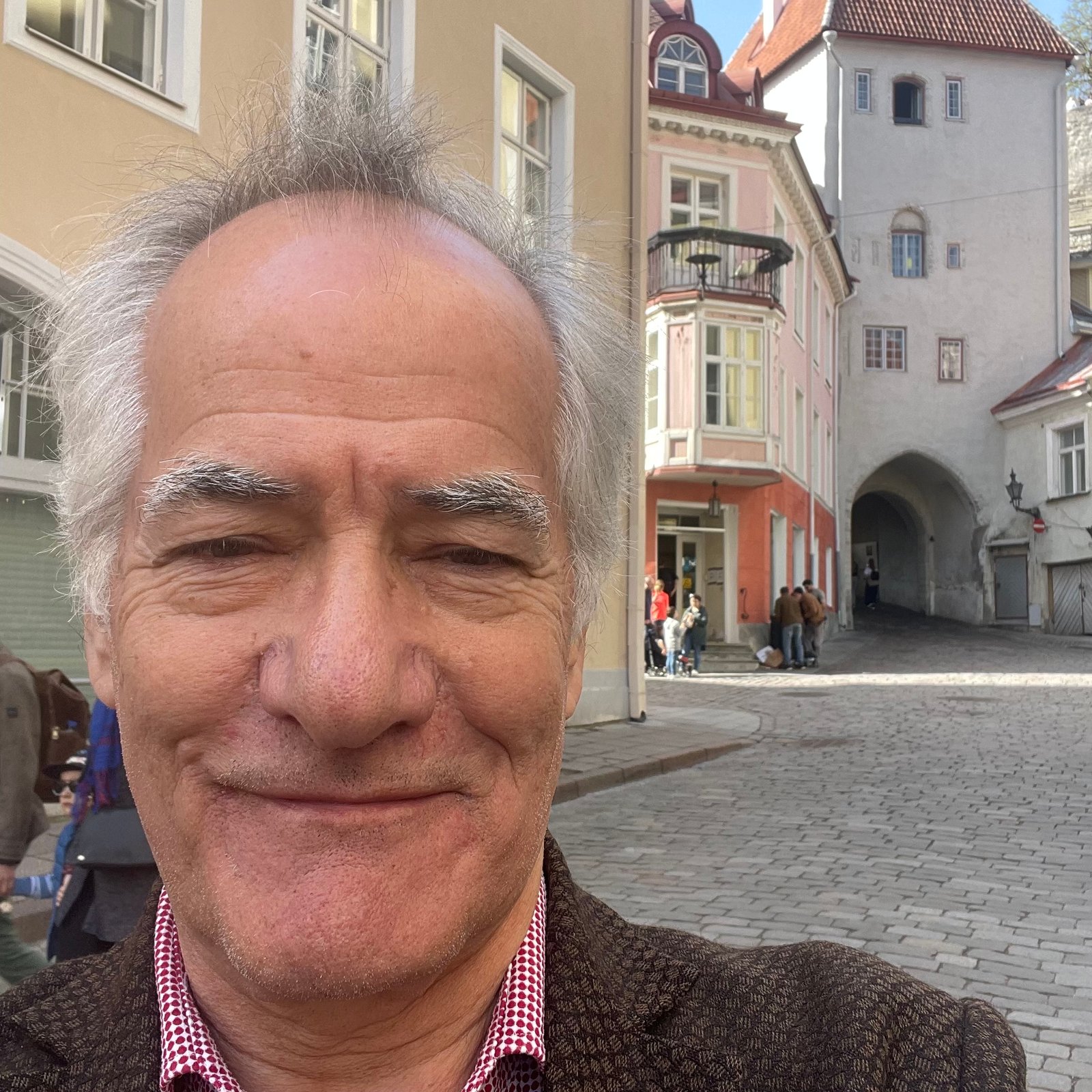
Greater/Upper Cattle (also flock, pack, troop, crowd), once leading to pasture outside town. Earliest recorded names in a mix of various languages including vee strate, MLG for cattle or livestock street (1362), Kariestrate, Esto-MLG for cattle street (1365), Lat. Platea or Strata Pecorum, Cattle gate (see Karja värav), with an attempted later gentrification, not without a touch of condescension (starting in Latin, finishing in the vernacular) of strata pecorum vulgaritur vestrate, i.e. more or less ‘Beef Street, commonly known as Cow Street’ (1363-7) sociologically similar to the English post-Norman-Conquest use of ‘beef’, from the higher-status French term bœuf, instead of the everyday English cow/cattle. Known for a while as Michaelis-Straße / Михайловская ул. (1776), apparently after Russian victories of 1710 in the Great Northern War and a procession through the gate on Michaelmas day. Maybe. See also Väike-Karja.
Suur-Kloostri (Suur-Klooster)
Greater/Upper Abbey (convent, monastery, cloister...). After the Cistercian St. Michael’s Convent, Mihkli Klooster (1249-1629). Renamed (1950-1987) as Nooruse during the Soviet occupation.
Suur-Laagri (Suur-Laager)
Big-camp. According to TT, street named after a former (?) military camp located there. Since the street was first named in 1908, it may well have been a Tsarist Army camp, close to the then ‘Patarei’ marine fortress (see Suur-Patarei). Street joined at the hip by its cadet, Väike-Laagri.