
Home
Voorimehe (Voorimees)
Cabman, coachman, carrier (voor = cart, wagon, etc.). Apparently where cabmen of the past used to wait. Very odd this one, despite being one of Tallinn’s oldest streets (see map XXX 1310 Reval), no recorded names earlier than 1813: Kleine Rittergasse or lesser (lower) Knight’s lane.
Fahle kvartal
(Emil Fahle, 1875-1929)
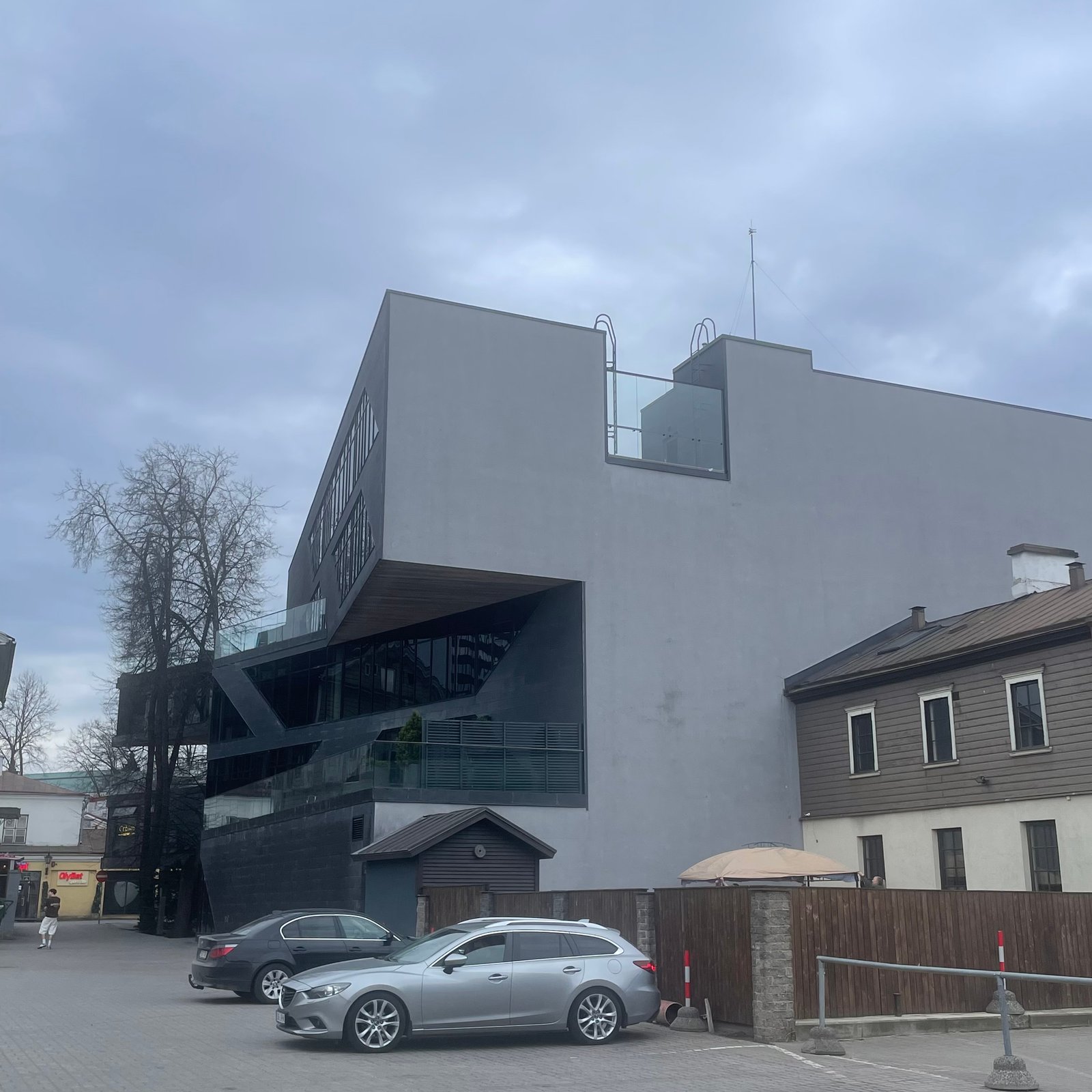
Fahle quarter, not necessarily an official name, but the Fahle Maja (house) and next-door building are so well known they merit an entry to themselves. Built on an original paper mill dating back to 1664 and passing through various hands, the former pulp and paper factory, AS Põhja Puupapi- ja Tselluloosivabrik, was taken over and and managed by Estonian businessman Emil Fahle (incidentally, both born and died in Germany) in 1899. Although it may not have been the first, the Fahle Maja itself symbolizes and typifies the old-and-new combination of Tallinn’s heritage-building reconstruction. The building on Tartu, known simply as ‘Fahle’, is now a combination complex for business, accommodation and venues. His former residence is now the Fahle Aed (garden) on the corner or Pirita and Narva.
Sossimäe (Sossimägi)
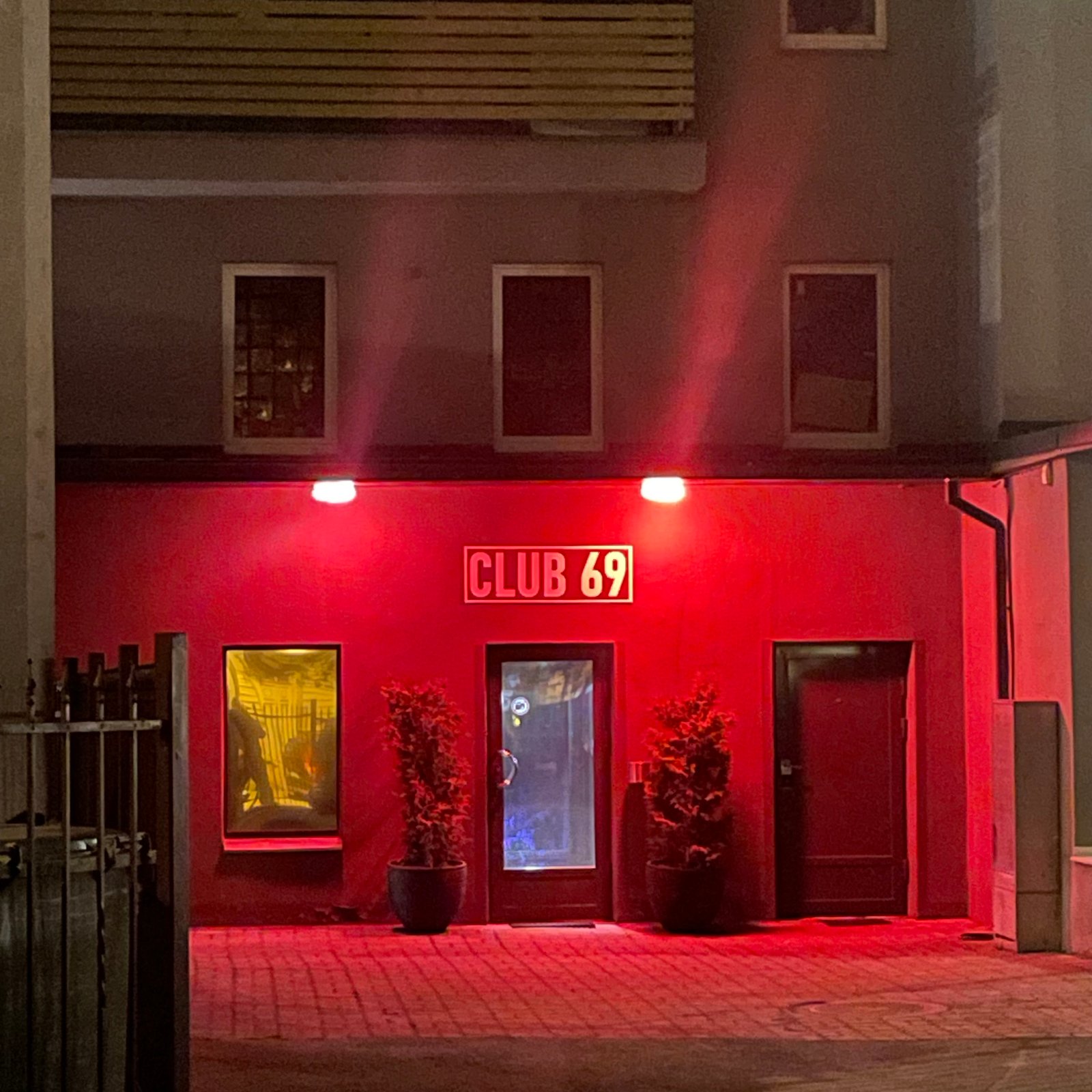
Intriguing! Firstly, it seems this is a ‘legacy name’, i.e. one that locals are familiar with, but dates, confirmation and origin myths are all missing. The plot development company chose the name, unwisely perhaps given its primary meaning of duffer, dud, clown or joker, inept or weak-willed person (someone a Brit might call a ‘tosser’!) or all or any of the other names I’ve had suggested: wimp, crackpot, stumblebum, maladroit, dud, etc., and a soss-sepp (see Sepa) could be a bodger, bungler or jerry-builder (from the marketing perspective, think Sipelga). The word could also be an onomatopœia conveying a hissing sound, or something steamy, both of which could correspond to the noise made by the former paper-mills’ chimneys; for some, it’s also synonymous with toss, or fizzling out (related to sosima, to whisper); and, lastly, possibly, poor-quality sandy loam. Street delineation still ill-defined and still (2025) being built around the back of Fahle kvartal, whose nightclub is also called Sossi.
Vormsi (Vormsi)
Fourth largest island in Estonia, between Hiiumaa and mainland. Along with neighboring mainland region of Noarootsi (Sw. Nuckö, poss. From Est. nukk:nuka, point/tip, i.e. cape, of which there are many), historical colonial homeland to Swedes known as Rannarootsi (coastal Swedes or, in Sw. Estlandssvenskar, Estonian Swedes) until WWII when most were evacuated or escaped to Sweden. Its original Swedish name, Ormsö, Snake/Worm island, with possible influence of its German name Worms, seems to have generated its Estonian counterpart through vernacular pronunciation of foreign words. Previously also called Hiiurootsi saar, Swedish Hiiumaa island. Part of an Estonian island group, see Aegna.