
Home
Kuldjala torn (0) 
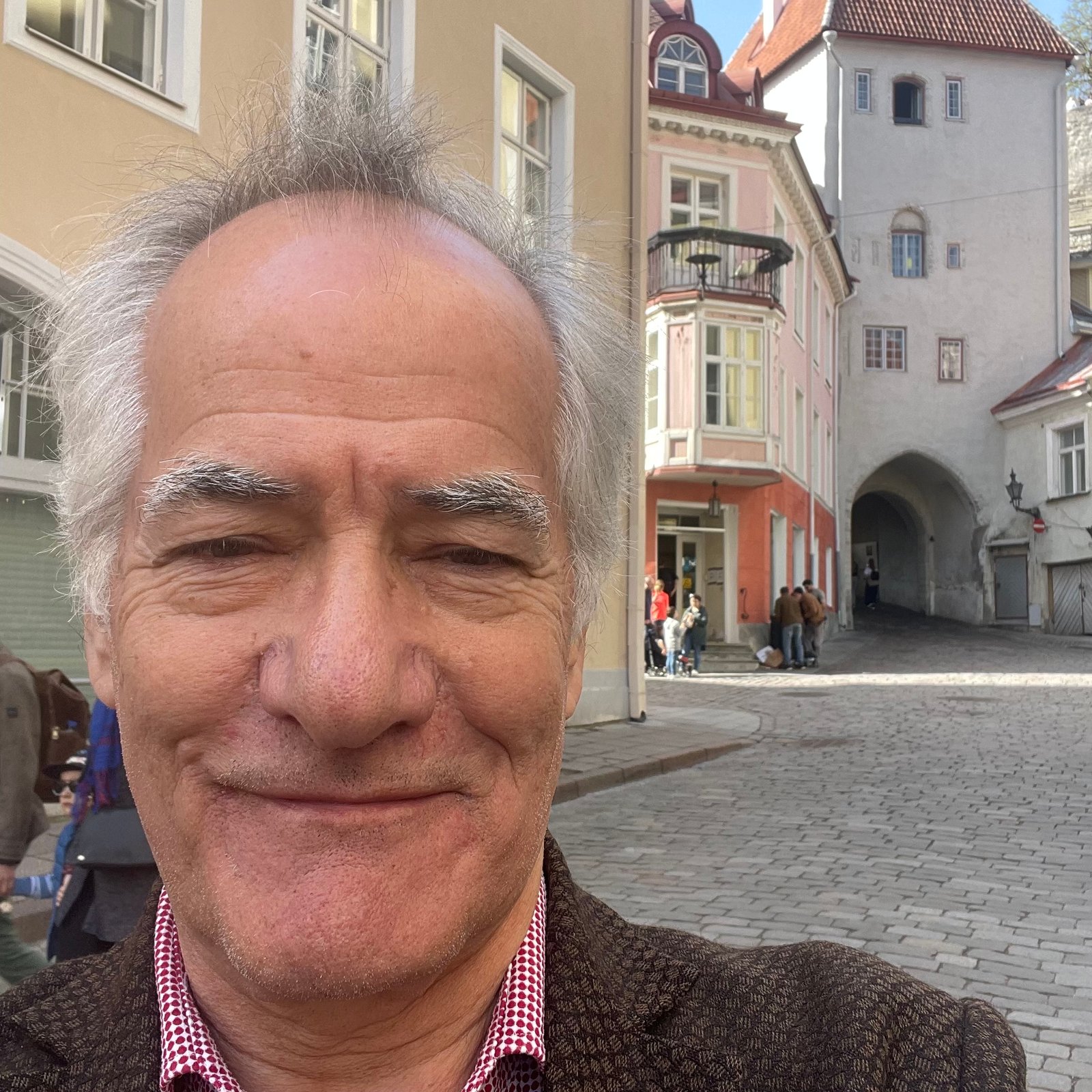
Golden leg/foot tower, built it seems in two phases: Kuldjala I, an initial masonry and wooden superstructure in ±1311-1320, and Kuldjala II, adding height and masonry in 1370-72, at which point it may have been called Kalle Torn, after Evert Kalle, the mayor who received the city funding for its reconstruction. Known at another time as de Guldene Voet (Estonians do not have different words for feet and legs, or hands and arms, rather confusing at times, see Sõnajala) where a footnote in Tallinna Keskaegsed Kindlustused quotes a certain Johansen (1959, not listed in appendix) as saying “d.h. Kuldjalg, warum bleibt unbekannt” (in other words Kuldjalg, but why remains unknown). Sounds a bit like the name of a tavern or cobbler to me. Revamped in the 16/17th C as food and powder store and still used for the latter until 1725. See also Kuradi torn.
Lippe torn (0)
One-time tower between Kõismäe torn and Loewenschede torn. Built similarly and possibly at the same time as Nunnadetagune torn (and Saunatorn?). Fallen into disrepair and demolished by 1842 at the latest, only traces remain. Some sources may also refer to it as Tullemani torn or Konsoolitorn.
Loewenschede torn (0)
Loewenschede or Löwenschede, prob. after Winend / Winent / Wynandus Louenschede / Lowenschede, councilor and/or city elder in the late 14th C. See also Munkadetagune torn.
Neitsitorn (0):
Maiden’s / Virgin’s tower, used to incarcerate prostitutes during the Middle Ages. Maybe, that’s what they say. Tallinn tower names usually implied a connection either of an official nature (cf. Wulfardi-tagune torn) or to a wealthy burger (cf. Ray Kroc). This one was first mentioned in 1373 as ‘Meghede torne’ and the consensus seems to indicate that a local by the name of Hinse Meghe was probably responsible for managing its construction. So today’s name would be the Estonian translation of a German folk etymology imagining Meghe to come from MLG māget, literally ‘unfreies Mädchen’ or ‘unfree girl’ (not in the sense of being in prison but tied to service on a farm, etc., as opposed to a lose vrouwe (loose woman), usually a married woman who worked as an independent hired hand), Magd, farmgirl, to the more romantic maid. Some of the more histrionic Estrionicists saw a ‘Mägede torn’, tower of the hills. See also Nunnadetagune torn. For those interested in this sort of thing, the root for māget has also given us Cornish mowes, girl; Old Icelandic mǫgr, son, young man; ditto the mac and map in Irish and Welsh surnames; Albanian makth, young rabbit; and Latvian mazs, small, short, tiny, dwarf and poor.