
Home
Landskrone torn (0) 
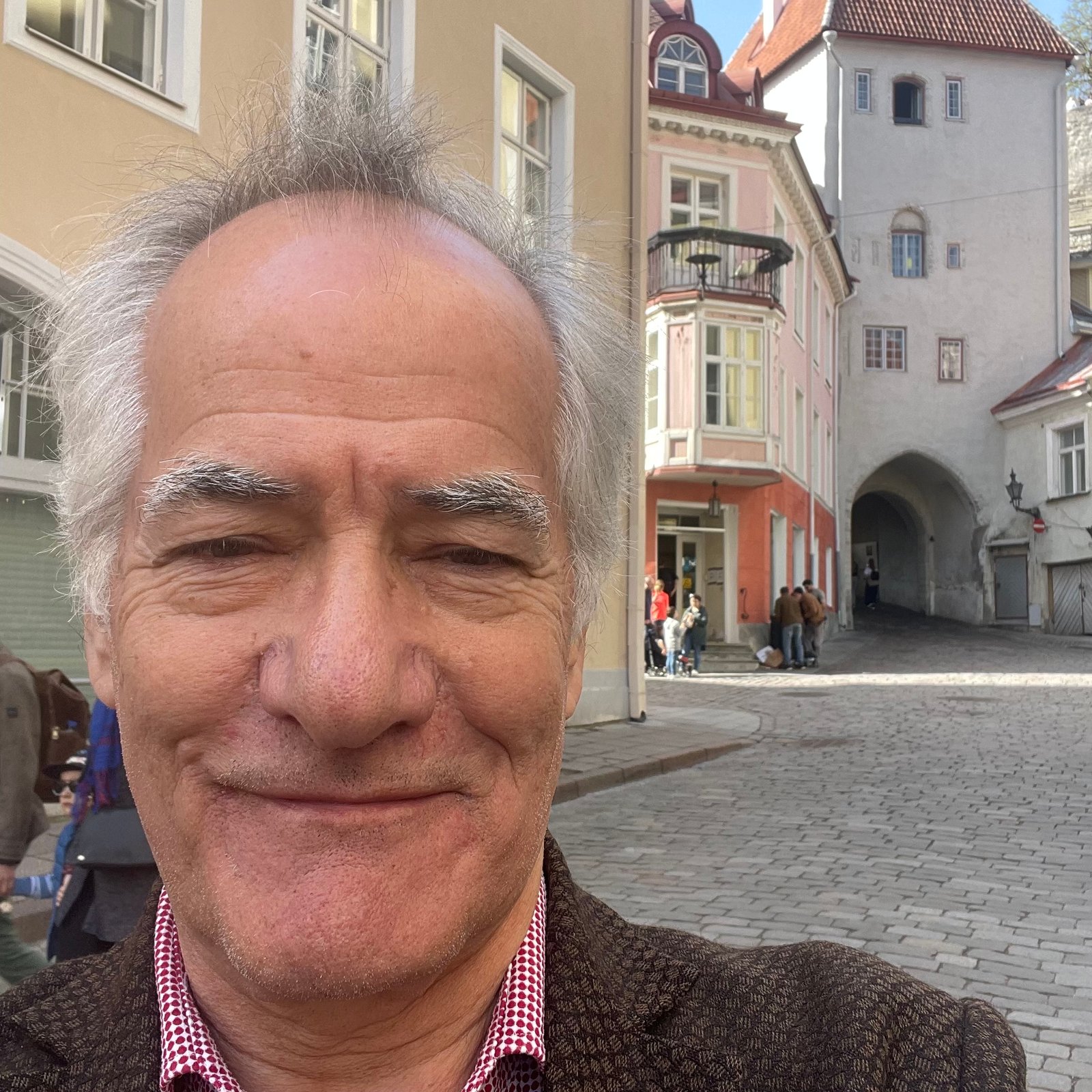
Lit. crown of the land/country/state/duchy/etc., the original MLG lant had a rather loose semantic footprint and there’s little to evidence to pin the tower’s name to a specific origin. Teutonic knights came from across ‘Germany’ and various towns or castles were called Landskron(e). Tower built on the Väike Linnus (small fortress, early 14th C, later to become the Toompea citadel, mid 14th C) along the lines of Pikk Hermann. See also Loewenschede torn.
Kullmani L.
(Leen Kullman, 1920-1943?)
Real name: Helene Kullman, Soviet spy trained at Leningrad spy school, Hero of the Soviet Union, arrested by Germans and died (heroically) under torture. Or, by the time the Soviets had committed themselves to honoring her, they discovered she’d done nothing of the sort – simply switching sides and living to die another day under the Nazi informant protection scheme – but couldn’t back down. Soviet era renaming (1979-1994/5) of Anni.
Sossimäe (Sossimägi)
Intriguing! Firstly, it seems this is a ‘legacy name’, i.e. one that locals are familiar with, but dates, confirmation and origin myths are all missing. The plot development company chose the name, unwisely perhaps given its primary meaning of duffer, dud, clown or joker, inept or weak-willed person (someone a Brit might call a ‘tosser’!) or all or any of the other names I’ve had suggested: wimp, crackpot, stumblebum, maladroit, dud, etc., and a soss-sepp (see Sepa) could be a bodger, bungler or jerry-builder (from the marketing perspective, think Sipelga). The word could also be an onomatopœia conveying a hissing sound, or something steamy, both of which could correspond to the noise made by the former paper-mills’ chimneys; for some, it’s also synonymous with toss, or fizzling out (related to sosima, to whisper); and, lastly, possibly, poor-quality sandy loam. Street delineation still ill-defined and still (2025) being built around the back of Fahle kvartal, whose nightclub is also called Sossi.
Karjametsa (Karjamets)
Cattle woods.Road pending development.