
Names
Varbola (Varbola)
Town and hillfort: largest-known stronghold in 11‑13th‑C Estonia. Used as cemetery in 16-17th C. Latin name Castrum Warbole, Estonian name Jaanilinn or Iani-Lin, translating into English as John’s town or, in its shortened form, Johnston, not very romantic.
Varese (Vares)
Crow. Two species breeding in Estonia: künnivares, rook, Corvus frugilegus and plain old vares, hooded crow, C. corone. Estonian crows must be the worst weather-forecasters ever… Vares sadu vara laulab, hüva ilma hildasella (crow sings morning, rainfall warning; crow sings after, sun and laughter); or Kui vares soiub, tuleb vihma (If the crow caws, it pours) but Kui vares soiub, sula alla (if the crow caws, it thaws). Part of the Lilleküla bird-name group of streets. See also Vesipapi.
Variku (Varik)
Brushwood, dense shrubbery.
Varju (Vari)
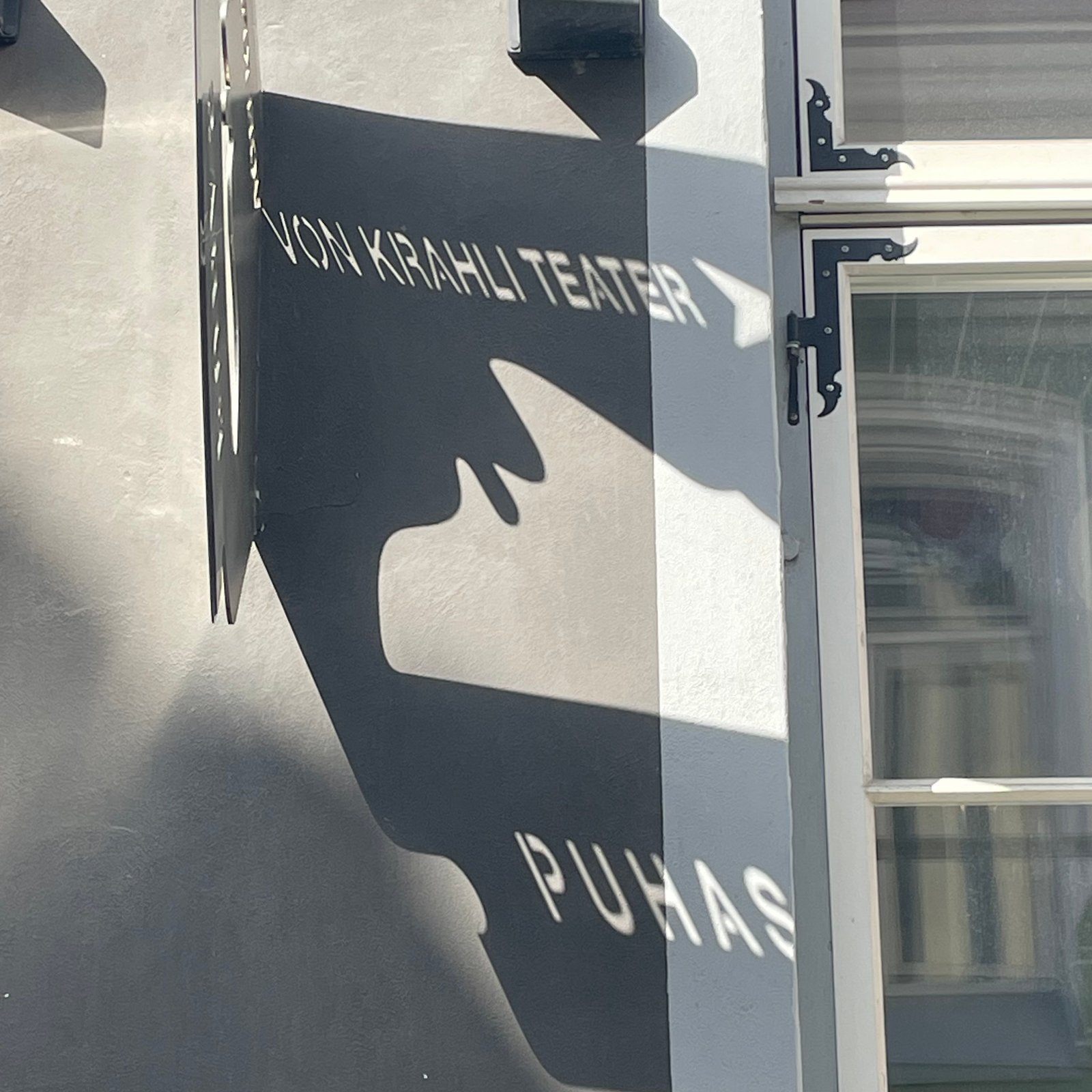
1) Shade, shadow; screen, cloak; 2) Shelter. Given its neighbors, both are possible. Close to Vilu. For information, vihmavari is umbrella, lit. rain screen / shelter.
Varjulille (Varjulill)
Lit. shadow flower: woodruff, squinancy wort, Asperula spp. Name due to former use in treating quinsy, or peritonsillar abscess, a sometime complication of tonsillitis or, for George Washington, possible cause of death (although probable cause was the excessive blood-letting designed to relieve him). Its Estonian name reflects its preference for shady, as well as moist, rich soils.
Varraku (Varrak)
1) Character from the Kalevipoeg: the Lappish sage who agrees to take him to the end of the world. 2) The Viking traders, pirates, mercenaries (to 11th/13th‑C Kievan and Novgorodian princes among others), known mainly as bodyguard to the Byzantine Emperors. Name derived from Varjaag, Estonian for Varangian (Old East Slavic: Varyag). Renamed (1979-1995) as Lumiste J. during the Soviet occupation. Part of a magico-mythological group. See Vikerlase.