
Home
Pikk Hermann (0)
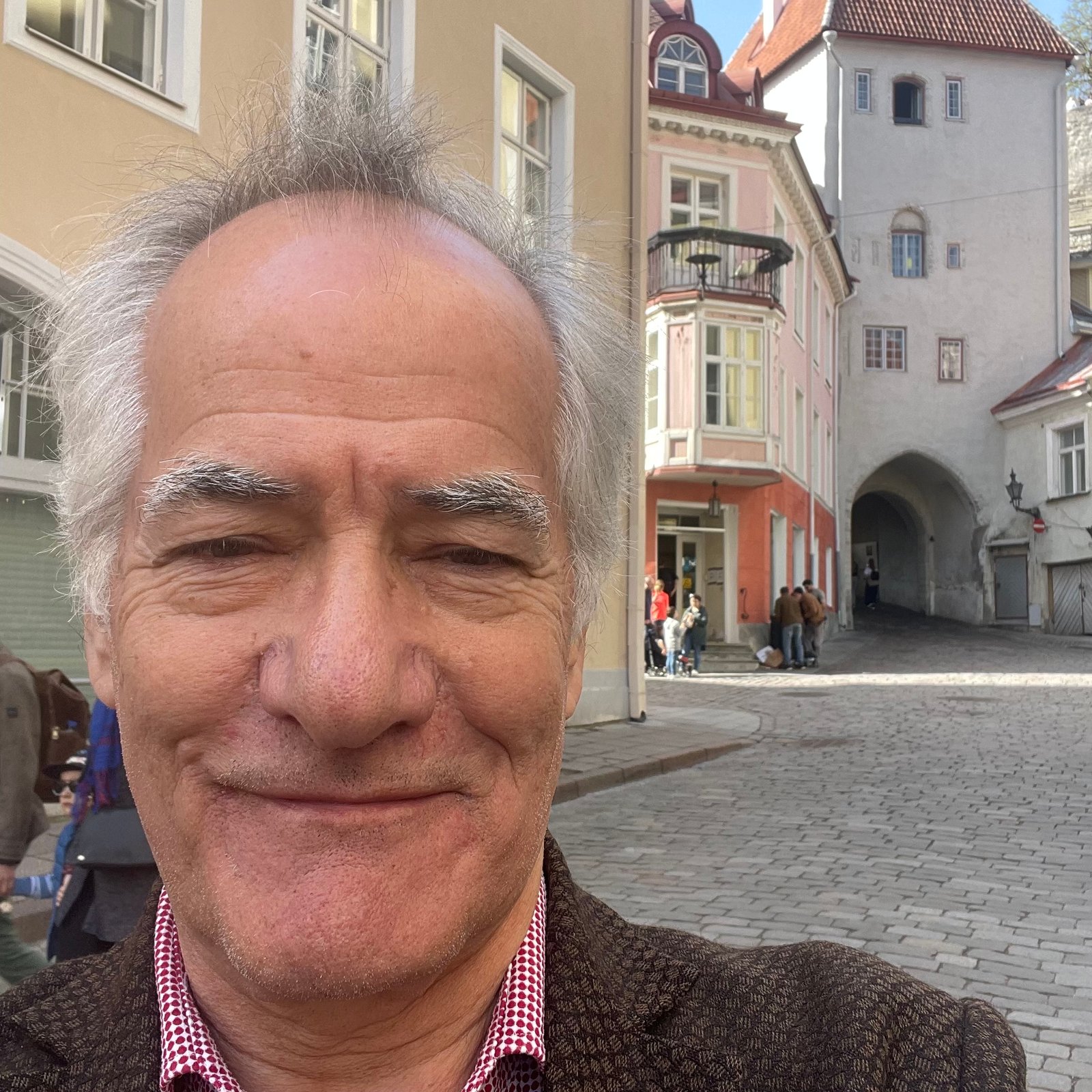
Tall Hermann. The first part was built from 1360-70, then completed in the 16th C. Why it earned its nickname of Hermann in the Middle Ages remains unknown. Some suggest that Hermann is a German word for sõdalane, poetic term for warrior, or pealik, chief, which may be so, MLG hērman meant nobleman; but Koebler (see Refs.) also gives hērmēster (Master of Men?) as ‘army commander’, or highest dignitary of the Livonian Order of the Sword’, which seems compelling, where a shift from master to man to surname is not unlikely. ‘Tall’ is pretty obvious. See also Pilstickeri torn.
Raudsüdame (Raudsüda)
Lit. Ironheart. The geological name of an approx. 20-cm-thick Estonian limestone bed from the Darriwilian (Middle Ordovician), dating back to 462.6 to 463 Ma, known locally as the Lasnamägi Lade (Lasnamägi Stage). New street in Uuslinn, named for the limestone mined in the former Lõunamurd quarry (lit. south quarry) south of Laagna tee. See also its geologically younger counterpart Muldvalge.
Muldvalge (Muldvalge)
Lit. Earthwhite. The geological name of an approx. 50-cm-thick Estonian limestone bed from the Darriwilian (Middle Ordovician), dating back to 460.9 to 462.6 Ma, known locally as the Uhaku Lade (Uhaku Stage), usually divided into 30-cm upper (pealmine) and 20-cm lower (alumine) layers. New street in Uuslinn, named for the limestone mined in the former Lõunamurd quarry (lit. south quarry) south of Laagna tee. See also its geologically older counterpart Raudsüdame.
Kassitatra (Kassitatar)
Possibly dialectal version of harilik kassitapp, the field or common bindweed, aka withy wind, small-flowered morning glory, creeping Jenny, possession vine, etc., Convolvulus arvenvis, sole variety of Estonia. At first/last: Kivi seems to have made a mistake: street not in Tallinn but nearby Muuga, then again, perhaps Muuga was part of Tallinn in the eventies?...